
President Ruto’s Announcement on Foreign Retail Traders: What Does It Mean for the East African Community?
The recent announcement by the President of the Republic of Kenya, H.E. Dr. William Samoei Ruto, concerning a crackdown on foreign nationals operating hawking and small-scale…


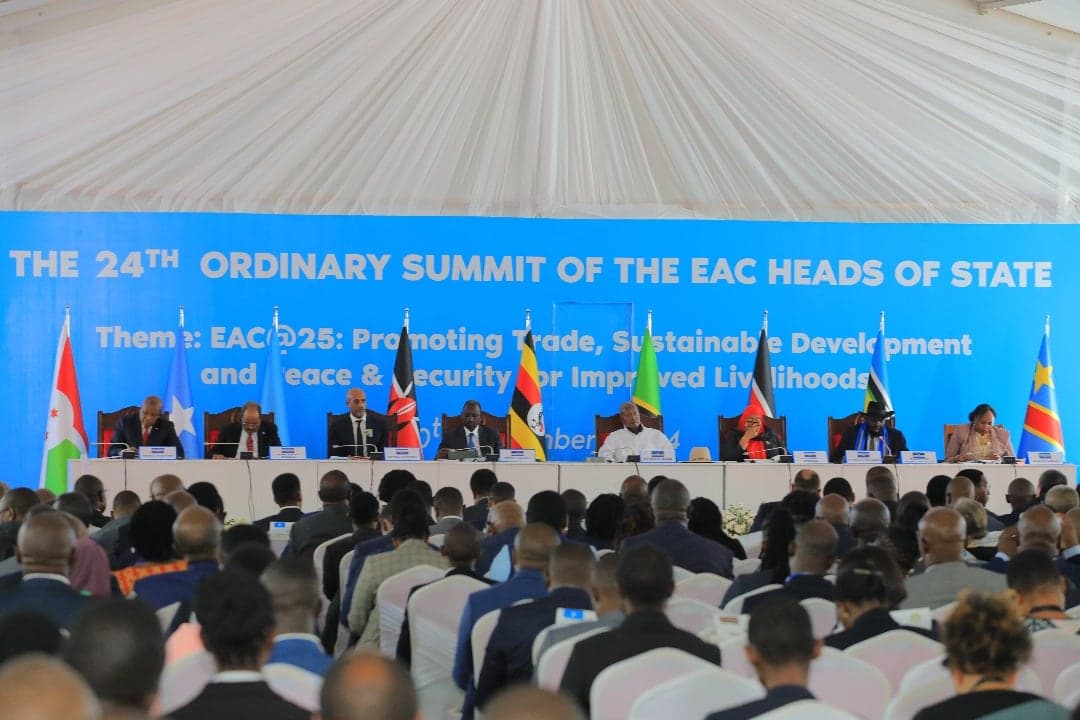
The recent announcement by the President of the Republic of Kenya, H.E. Dr. William Samoei Ruto, concerning a crackdown on foreign nationals operating hawking and small-scale retail businesses deserves serious and careful consideration, not only within Kenya, but throughout the East African Community (EAC) and Africa as a whole.
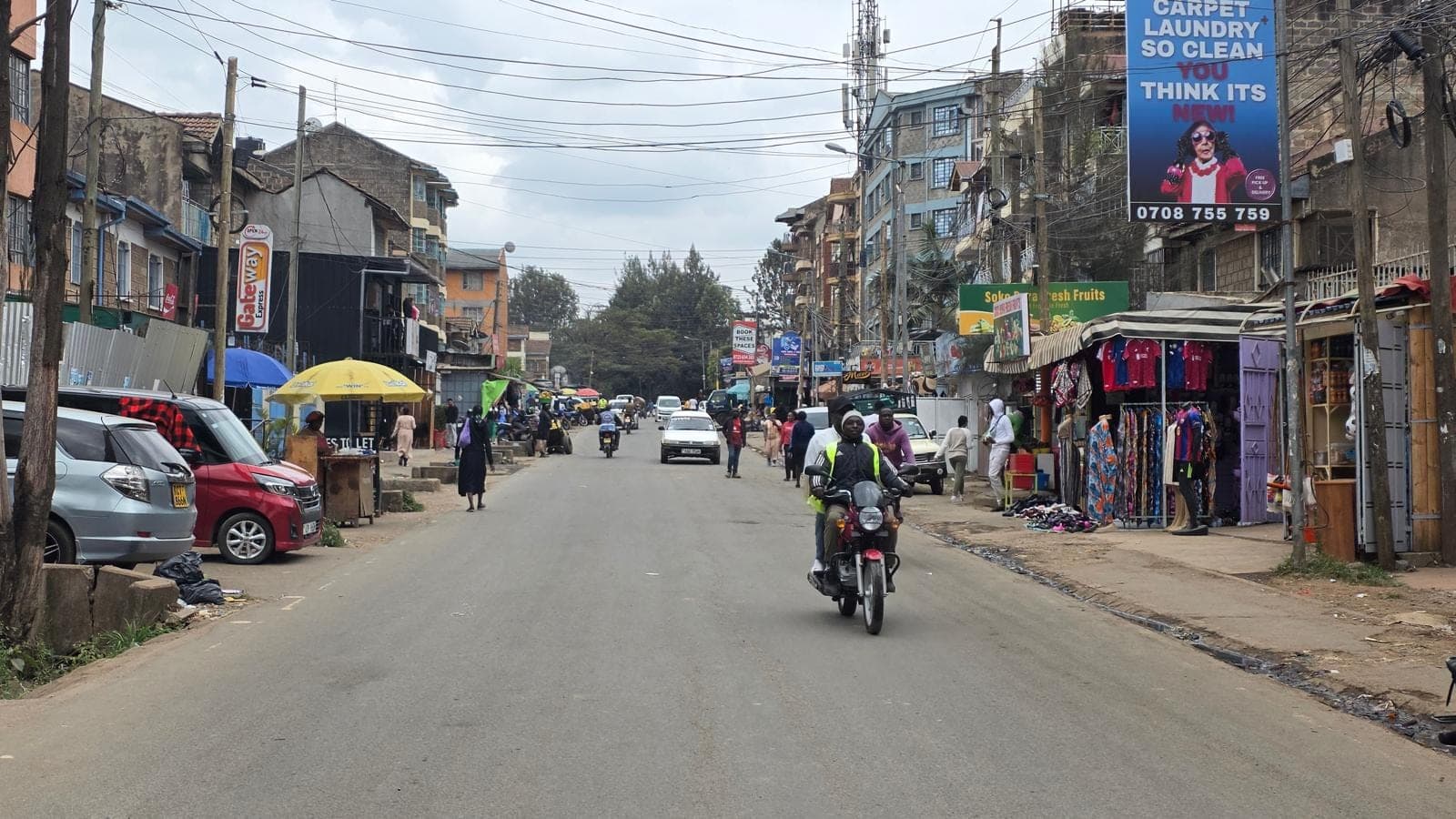
President Ruto announced that enforcement against foreign nationals operating certain small businesses would soon begin. His argument is that small-scale businesses, particularly hawking and small retail activities requiring relatively little capital, should primarily provide economic opportunities for Kenyan citizens.
There is no doubt that every African government has a responsibility to protect the economic welfare of its citizens. Kenya, like South Sudan, Uganda, Tanzania, Rwanda, Burundi, the Democratic Republic of Congo, Somalia and other African countries, must address unemployment, poverty and the growing economic difficulties facing young people, women and small-scale entrepreneurs.
However, an important question arises: can East African integration survive if citizens of the Community are free to cross borders but increasingly prohibited from participating in the economic life of neighbouring countries? This question requires immediate regional discussion.
Kenya Has the Right to Protect Its Citizens
It must be stated clearly from the outset that this discussion should not be interpreted as opposition to Kenya or hostility toward President Ruto. Every sovereign state has the right to regulate its economy. Governments have the authority and responsibility to ensure businesses comply with national laws, including laws on taxation, immigration, licensing, public health, consumer protection and public security. Kenya also has a legitimate responsibility to create economic opportunities for its own citizens; no government should ignore the suffering of its young people and small-scale entrepreneurs while economic opportunities grow harder to access. Kenya is therefore entitled to encourage Kenyan participation in the economy and to regulate illegal or unlicensed businesses.
But the question becomes more complicated when a restriction applies to citizens of neighbouring countries that are members of the East African Community. There is an important difference between regulating illegal business activity and imposing a blanket, nationality-based restriction on citizens of EAC Partner States who are legally residing and conducting lawful economic activities. This distinction must be carefully examined.
The East African Community Is More Than a Political Organisation
The East African Community was created with a vision that goes far beyond diplomatic meetings between governments. The ultimate objective of regional integration is to bring the peoples and economies of East Africa closer together. Over the years, the EAC has made remarkable progress: roads and transport corridors increasingly connect the region; communications and digital infrastructure are expanding; citizens move more easily across borders; trade between neighbouring countries continues to grow; and regional institutions, including the East African Legislative Assembly and the East African Court of Justice, are functioning.
The EAC Common Market was established to promote the integration of Partner States’ economies and to facilitate the movement of people, labour, services and capital. The Community’s legal framework also recognises the right of establishment and the principle that citizens of Partner States should not face unjustified discrimination merely because they come from another EAC country. East African integration, then, cannot be measured only by the number of kilometres of road constructed. A Common Market must also be measured by the opportunities available to ordinary East Africans.
But the fundamental question remains: can an East African citizen travel freely to a neighbouring country, yet be denied the opportunity to establish a lawful livelihood there simply because he or she comes from another EAC Partner State? This is the legal and political question that President Ruto’s announcement has now placed before the region.
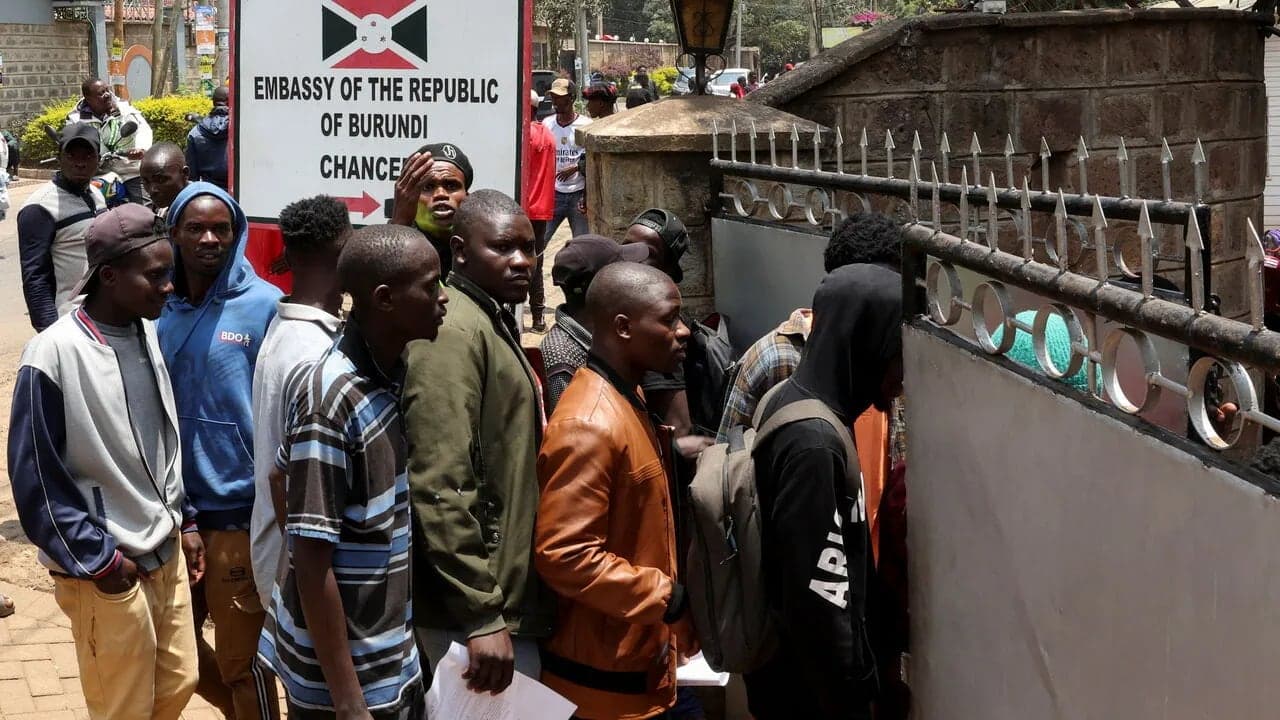
The EAC Common Market framework recognises the right of establishment and the pursuit of economic activity by citizens of Partner States within the Community. This does not mean every business activity is entirely unregulated. Partner States may have legitimate laws on licensing, public policy, public security and public health. However, where restrictions are imposed specifically because an individual is a citizen of another EAC Partner State, serious legal questions arise. Can a South Sudanese citizen legally operate a small business in Kenya, and a Kenyan citizen a similar business in South Sudan? Can a Ugandan citizen establish a lawful retail business in Kenya, and a Kenyan one in Uganda? Can Tanzania prohibit citizens of other EAC countries from entire sectors of economic activity while its own citizens conduct business throughout East Africa? These questions must be answered consistently. The EAC cannot become a Community in which every country welcomes its own citizens to do business abroad while restricting citizens of neighbouring Partner States at home. Such a system would inevitably breed resentment and retaliation.
The Risk of Retaliation, and the Case for a Common Regional Approach
The greatest danger of unilateral restrictions is that they invite reciprocal action. If Kenya restricts foreign nationals from small-scale retail, other countries may eventually respond in kind, among them Uganda, Tanzania, South Sudan, Rwanda, Burundi, Somalia and the Democratic Republic of Congo. Before long, the East African Community could find itself caught in a contradiction: its governments continuing to speak of regional integration, free movement, common infrastructure, cross-border trade, economic cooperation and African unity, while its citizens increasingly encounter barriers to establishing a livelihood in neighbouring countries.
This would weaken the foundation of the Common Market. The greatest victims would not be large multinational corporations, but ordinary citizens: women trading goods across borders, young entrepreneurs, small traders, transport operators, shopkeepers, farmers, and the families and communities that have built economic relationships across East Africa for generations. The EAC must therefore be careful not to divide its citizens economically while its governments simultaneously work to unite the region politically and infrastructurally.
One important step Kenya could take is to distinguish clearly between different categories of foreign nationals: citizens of EAC Partner States, who may enjoy rights under the Community’s Treaty and Common Market arrangements; citizens of other African countries outside the EAC; foreign nationals from outside Africa; and individuals operating illegally, without licences or legal residence. Treating all foreign nationals as a single category risks creating unnecessary legal and diplomatic difficulties. An EAC citizen should not automatically be placed in the same category as a foreign investor from another continent, without first examining the special regional obligations created by the EAC Treaty and Common Market Protocol, obligations that exist precisely because Partner States agreed to move beyond the ordinary relations that exist between wholly separate foreign countries.
This is precisely the kind of regional question the East African Legislative Assembly should not remain silent on. The EALA should debate the implications of nationality-based restrictions on small businesses, the rights of EAC citizens under the Common Market, the danger of retaliatory economic restrictions, and the possibility of harmonised rules for small-scale trade across the Community. This issue should not become a conflict between Kenya and its neighbours. It should become a serious discussion about the future of the East African Common Market. The correct question is not “should Kenya protect Kenyans?” Of course it should. The correct question is: how can Kenya protect Kenyan entrepreneurs while respecting its regional obligations and the legitimate rights of other East African citizens?
Where uncertainty exists over the interpretation of the EAC Treaty and Common Market Protocol, the East African Court of Justice is the appropriate regional institution to provide authoritative guidance. This matter should not be resolved through political anger or retaliatory restrictions, but through consultation, law and regional institutions, the proper functioning of a regional community voluntarily created by sovereign states.
The Future of East Africa Must Be People-Centred
The future of the EAC should not belong only to governments, large corporations and international investors. It must also belong to ordinary East Africans: a South Sudanese woman selling goods legally in Kenya, a Kenyan trader doing business in Juba, a Ugandan entrepreneur operating in Kigali, a Rwandan investor working in Tanzania, a Tanzanian doing business in Burundi. These are the people who give practical meaning to regional integration. If East Africa builds modern roads but closes economic opportunity to the very citizens who travel on them, infrastructure alone will not create genuine integration.
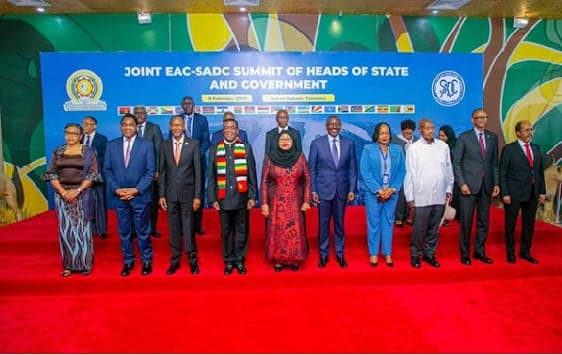
The implications of this debate extend beyond the East African Community. Africa has spent decades promoting African unity, regional economic communities, continental trade, freedom of movement and greater cooperation among African peoples. The African Continental Free Trade Area and other continental initiatives rest on the understanding that Africa’s economic future cannot be built through permanent fragmentation. Africa cannot credibly speak of a united continental market while Africans increasingly become economic strangers to one another. This does not mean African countries must abandon the protection of their citizens, but economic empowerment should not automatically mean hostility toward other Africans. The challenge is to find the balance between national development and continental integration, to protect Africans without turning Africans into foreigners in Africa.
A Call for Consultation
For these reasons, I respectfully believe that President Ruto’s proposed crackdown should be carefully reviewed before its implementation affects citizens of other EAC Partner States. The Kenyan Government should urgently clarify whether the announced restrictions are intended to apply equally to citizens of all EAC Partner States. If they are, the matter should be discussed immediately through the appropriate regional institutions. I therefore propose the following:
- Immediate clarification by the Government of Kenya, on which categories of foreign nationals and businesses are affected.
- Consultation with EAC Partner States, before implementing measures that could affect the economic rights of millions of East Africans.
- Debate in the East African Legislative Assembly, on the implications for the Common Market, and a proposed harmonised regional approach.
- Legal clarification through EAC institutions, including the East African Court of Justice, where the interpretation of the Treaty and Common Market Protocol is uncertain.
- Protection against retaliation. Partner States should avoid responding with retaliatory restrictions against each other’s citizens. A trade war among East Africans would benefit nobody.
- Development of a common regional policy on small-scale business, local economic empowerment, and the rights of citizens of Partner States.
Conclusion: Integration Must Not Stop at the Border
President William Ruto’s announcement has opened an important debate. It is understandable that Kenya wishes to protect economic opportunities for its citizens; every government carries a similar responsibility. But Kenya is not acting in isolation; it is one of the most important pillars of the East African Community, and its decisions carry consequences beyond its national borders.
The question facing East Africa is not whether national governments should protect their citizens. They must. The question is whether national economic protection can be implemented without undermining the regional agreements East African governments have themselves signed. The EAC cannot advance toward a Common Market while simultaneously erecting new economic borders between its citizens. We cannot build roads across borders and then build economic walls in the minds and livelihoods of the people who use those roads. We cannot speak of free movement while making economic survival difficult for citizens who move lawfully. And we cannot speak of African unity while Africans increasingly view one another as economic competitors rather than partners in development.
The proper response, then, is not hostility toward Kenya. It is dialogue, consultation and legal clarity through regional cooperation. President Ruto’s announcement should become an opportunity for the East African Community to ask an important question about its own future: what kind of East Africa are we building? One where governments cooperate but citizens compete behind national barriers? Or one where national development and regional integration reinforce one another?
The answer will determine whether the East African Community remains merely an agreement between governments, or becomes a genuine community of its peoples. East Africa has travelled too far along the road of integration to now walk backward into economic nationalism and division. The citizens of East Africa deserve both national protection and regional opportunity. They should not be forced to choose between the two.