
Kenya’s Expulsion of Small Traders Exposes Africa’s Unpreparedness for Visa-Free Borders
Kenya’s President William Ruto has stirred considerable controversy across the region with an unprecedented directive targeting small-scale foreign traders accused of occupying…


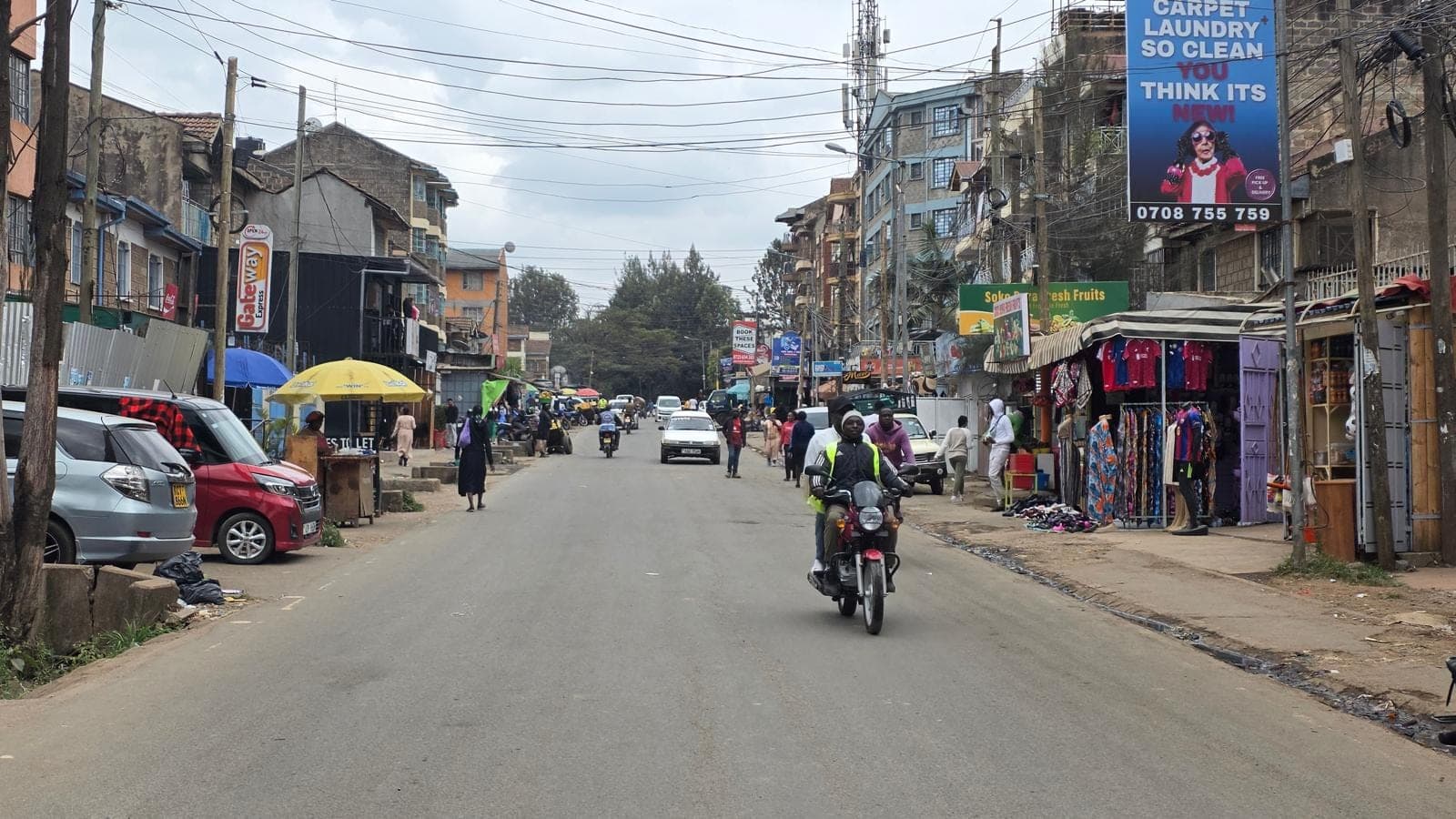
Kenya’s President William Ruto has stirred considerable controversy across the region with an unprecedented directive targeting small-scale foreign traders accused of occupying business niches long considered the preserve of ordinary Kenyans. On September 2, 2026, addressing Micro, Small and Medium Enterprise traders at State House, Ruto ordered foreign nationals operating hawking businesses and small retail shops to close down, insisting that Kenya’s visa-free entry and investment climate were built for investors to come to Kenya, not hawkers and traders. Enforcement began on September 7, though the government later softened the blanket closure into a 90-day window for affected foreigners to regularise their immigration, work permit, and business registration status.
The directive sent shockwaves across estates and business districts where foreign nationals have long run modest enterprises, with many opting to shutter their shops and stay behind closed doors rather than risk confrontation with enforcement officers. Jamhuri Estate, a middle-income neighbourhood on Nairobi’s western side long associated with a sizeable Ethiopian and Eritrean community, saw many residents retreat indoors for fear of arrest and harassment by opportunistic law enforcement. The anxiety was not confined to Nairobi’s estates alone. Burundian nationals gathered in numbers at their embassy seeking travel documents, prompting Kenya’s own Foreign Affairs establishment to issue a formal apology to the Burundian community for the harassment experienced amid the confusion, while Kenya’s ambassador to Burundi moved to reassure Kenyans living there of their own safety in turn.
Yet even as the directive was widely misunderstood and, in places, misapplied, the underlying rationale offered by a president who has otherwise been among the continent’s most vocal champions of a borderless Africa deserves closer scrutiny than it has so far received.
A Structural Gap
The clearest lesson to emerge from this episode is that African governments have moved faster in their political enthusiasm for visa-free movement than in building the administrative machinery required to manage it. Many have competed, sometimes emotionally, to open their borders to fellow Africans as a symbol of continental solidarity and economic integration. Far fewer have built the immigration infrastructure needed to distinguish, at entry, between a tourist, an investor, and an informal trader intending to set up shop without registration, tax compliance, or adherence to basic health and safety standards.

Kenya’s own immigration points appear to lack a clear system for ascertaining the specific purpose of travel and, where business is declared as that purpose, for channelling arrivals into a defined registration process with clear requirements around tax compliance, licensing, and safety standards. On this front, Ruto appears to have been caught flat-footed by a consequence of policy his own government helped create. Having championed visa-free entry as a marker of Pan-African progress, the administration seems to have moved ahead of the regulatory scaffolding needed to manage its effects, only to respond after the fact with a blunt administrative directive rather than the structural fix the situation actually calls for.
Tax, Employment, and Capital Flight
Economists who have weighed in on the matter point to a second, more material concern. Visa-free entry, absent proper oversight, carries real risk of capital drain. Many small-scale foreign traders operating informally in Kenya have not been paying taxes, nor are they generating meaningful local employment. Proceeds from the sale of imported merchandise are frequently wired directly back to support families in traders’ home countries rather than being reinvested locally. In some cases, the goods themselves, peanuts, cassava, and other agricultural produce among them, are imported from traders’ countries of origin, meaning the economic activity strengthens farming and production economies elsewhere on the continent rather than in Kenya. The net effect, critics argue, is a pattern of extraction rather than exchange: informal cross-border trade that benefits the trader’s home economy while contributing little in tax revenue, job creation, or reinvestment to the host country.
Reciprocity and the Currency Question
A third concern, raised by many ordinary Kenyans watching the debate unfold, centres on reciprocity and currency flow. While the spirit of a borderless Africa rightly holds that Africans should be free to live, work, and trade across the continent, the absence of preparedness measures means that countries with comparatively stronger currencies risk disproportionate cash outflows when informal traders use locally earned income to sustain households and economies back home rather than circulating that income within the host economy. Free movement without coordinated fiscal and monetary safeguards can, in effect, become a one-directional transfer of value rather than the mutual economic integration the African Union’s free movement protocols were designed to achieve.
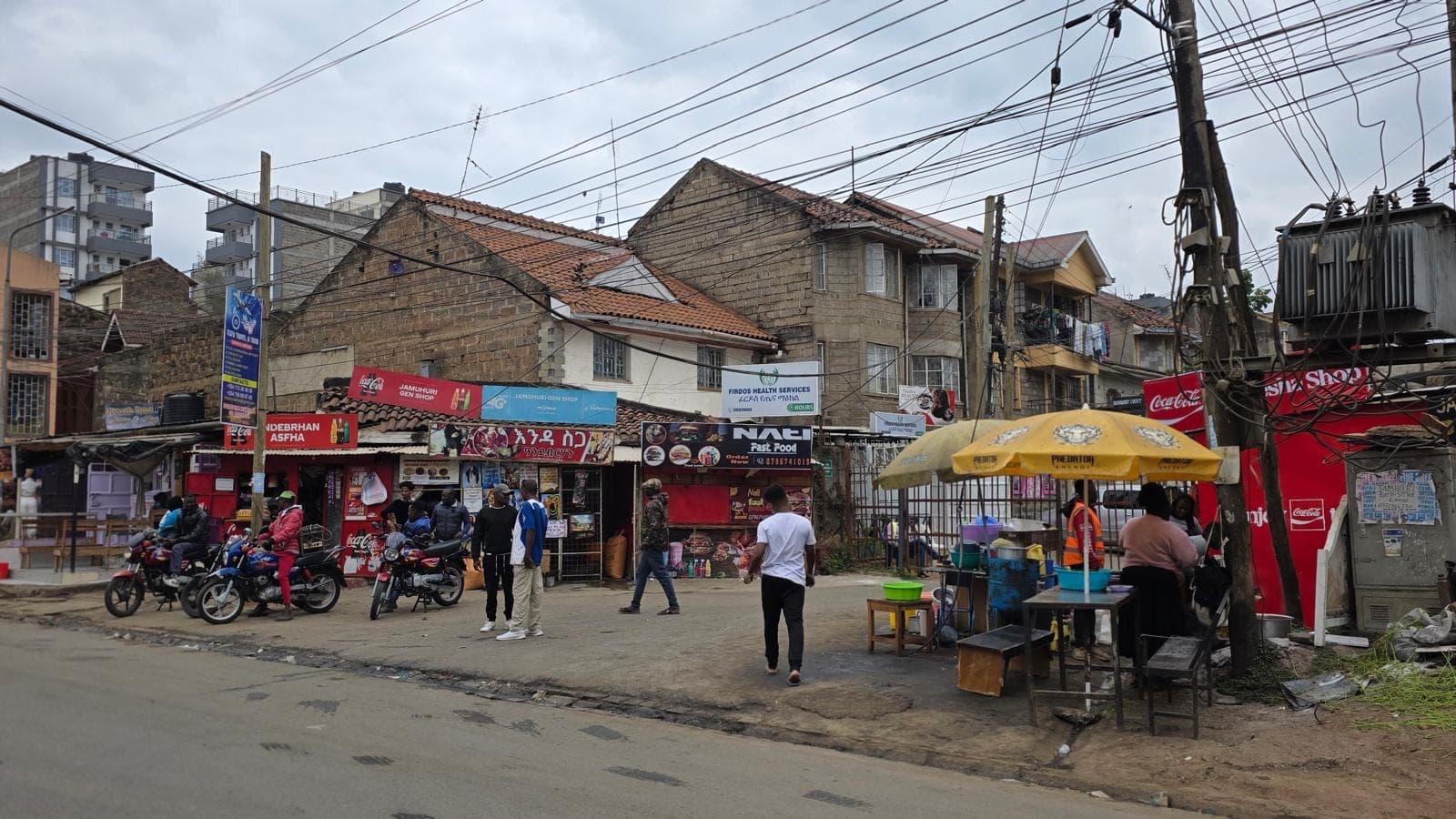
Whatever the merits or excesses of Ruto’s specific directive, and there have clearly been real harms in its implementation, from harassment of documented foreign nationals to diplomatic strain with neighbouring states, the episode has surfaced a truth that African governments can no longer avoid. The political will for a borderless Africa has consistently outpaced the administrative readiness to manage what open borders actually require: functioning immigration data systems, clear business registration pathways for foreign entrepreneurs, coordinated tax and labour policy, and regional agreements on capital flow and reciprocity. Kenya’s own government has since walked back the harsher edges of the directive, extending a 90-day regularisation window and instructing security agencies to protect documented foreign nationals from arbitrary mistreatment. But the underlying gap the episode exposed will not close on its own.
If the African Union’s vision of free movement is to mean more than the removal of visa stickers at the border, it must be matched by the unglamorous work of building the systems, immigration, taxation, business licensing, and monetary coordination, that make free movement sustainable rather than combustible. Kenya’s experience this September should serve as a warning to every government on the continent still celebrating visa-free entry as an end in itself rather than the beginning of a much harder institutional task.